Accessible participation
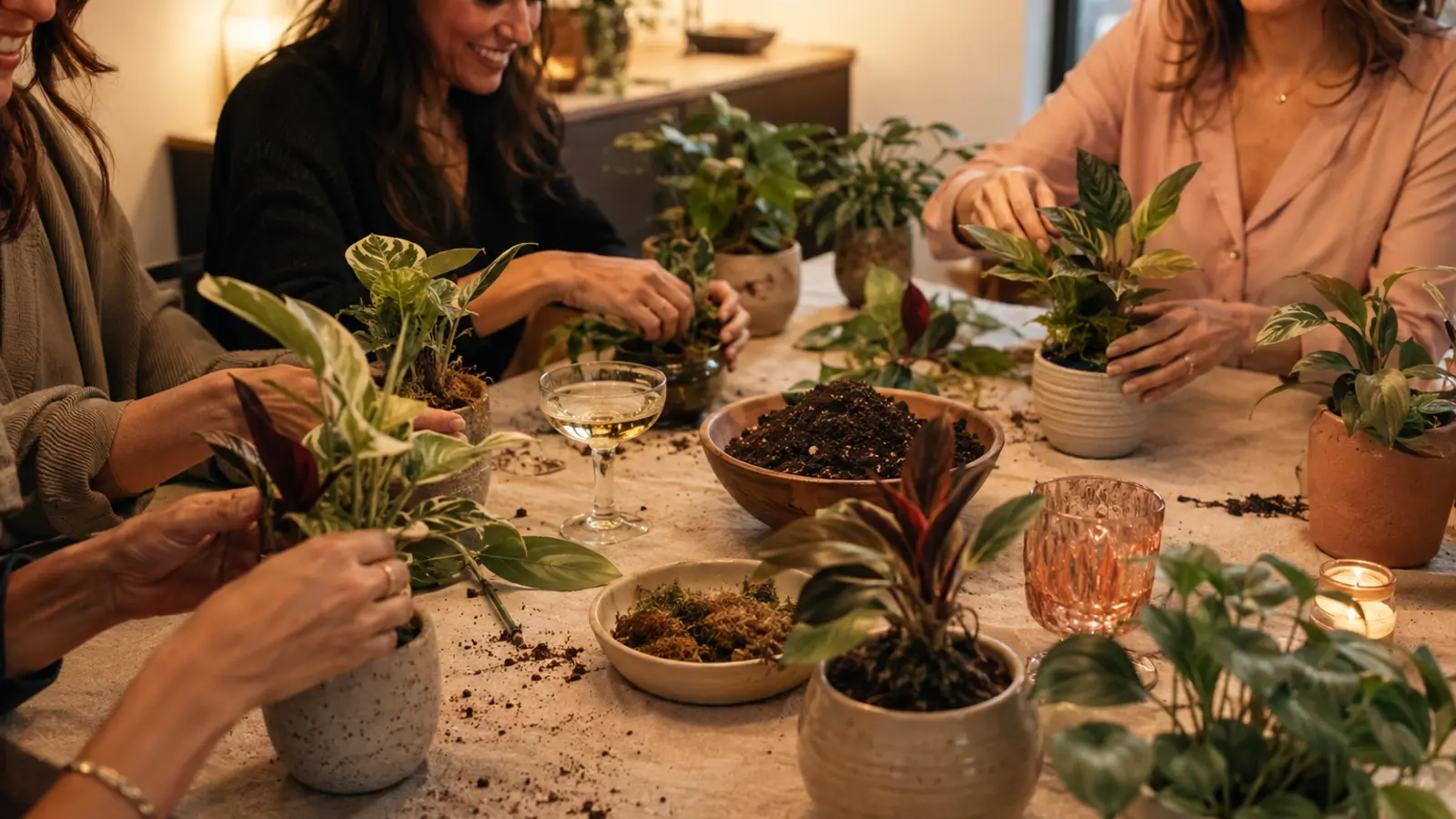
A well-chosen project can welcome beginners without making experienced plant people feel held back.
Southeastern Pennsylvania workplace & team events
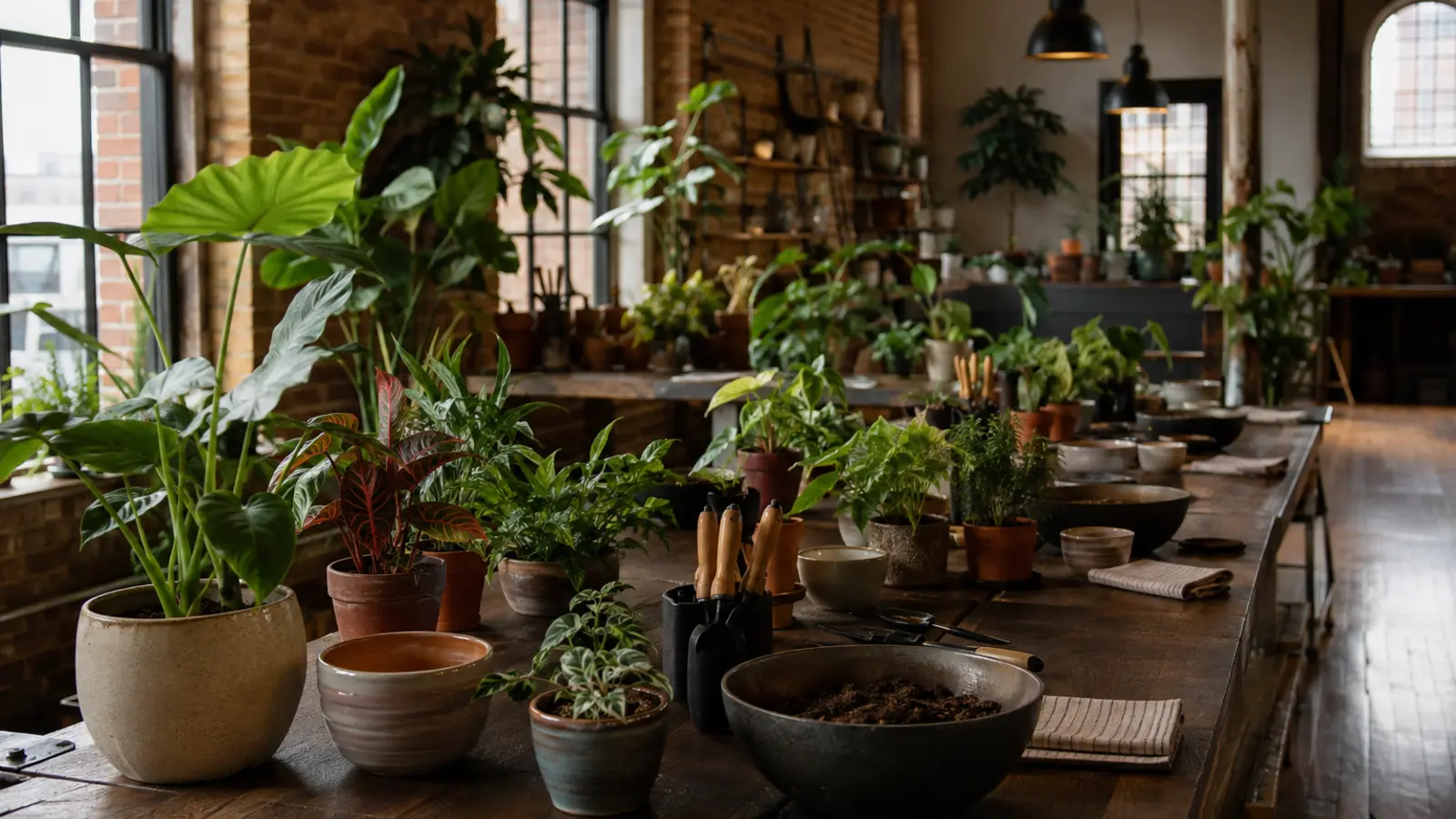
Rare Form can plan a guided potting or planting experience for a southeastern Pennsylvania workplace gathering, team event, client activity, or creative break from the usual agenda.
Group size, venue, timing, project format, access, and budget are discussed before an event is confirmed.
What matters
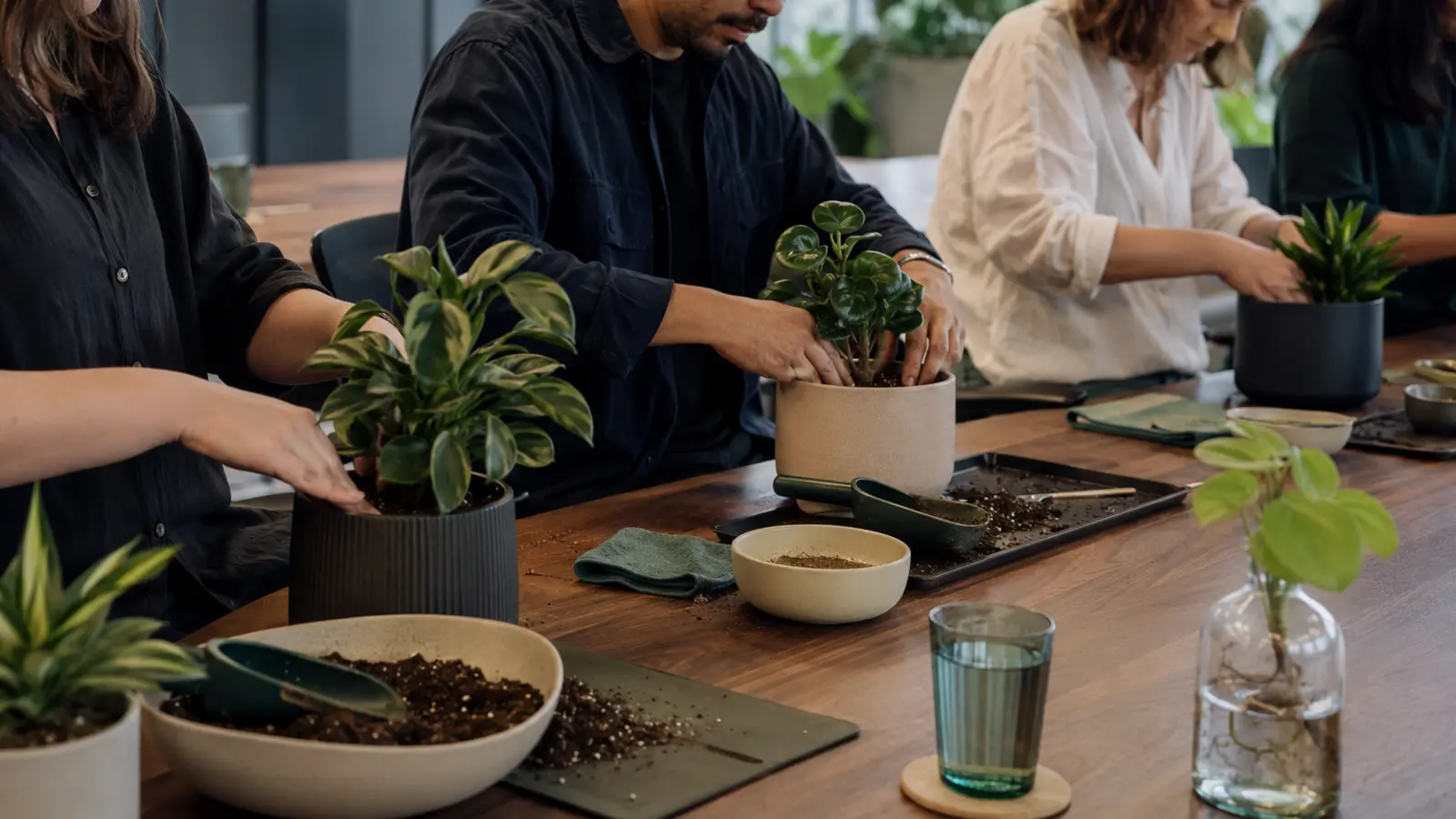
A useful team activity needs enough structure to keep the group moving and enough flexibility to feel social. Plant workshops can strike that balance: participants work with their hands, learn a practical care idea, make aesthetic choices, and leave with something that continues beyond the event.
Rare Form’s role is to plan the plant project, materials, pacing, and guidance around the group and setting. That can mean a beginner-friendly potting session, a more styled botanical project, or another agreed format. The inquiry stage is where the group size, space, time window, and desired tone become a workable plan.
Key points
A well-chosen project can welcome beginners without making experienced plant people feel held back.
Participants make a plant-based project they can take home or keep in the workplace.
Pacing, materials, instruction, and cleanup planning respond to the group and venue rather than a generic package.
Planning the format
An internal team break has a different energy from a client event, retreat session, or company celebration. Share the purpose first. It helps determine whether the workshop should emphasize relaxed conversation, guided learning, visual choice, or a faster project that fits between other activities.
The time window should include arrival, introduction, hands-on work, care guidance, questions, and cleanup. Group size influences how materials are staged and how much individual attention is possible. If the event needs to fit a precise agenda, include that constraint early rather than compressing the activity later.
Venue readiness
The venue should have stable tables, comfortable standing or seating room, and permission for the agreed materials. Soil and plant work can be managed neatly, but it still requires a cleanup plan. Floor protection, waste handling, handwashing access, and a path for bringing supplies in and out should be discussed.
Light at the event matters less than the light where the finished plants will live. Participants should receive care guidance that helps them choose a sensible location afterward. If projects will remain in an office, the building’s windows and lighting conditions should influence the plant selection.
After the activity
The most memorable workshop result is not just a finished pot. Participants should understand the few care decisions that matter most: where to place the plant, how to check moisture, what overwatering looks like, and why care changes with season and environment.
Simple, specific guidance is more useful than a rigid watering calendar. The project can be selected so the instructions remain approachable. Additional care resources on this site give participants a place to revisit light, watering, acclimation, and repotting after the event.
Next steps
Share the date, venue, group estimate, time window, purpose, and budget range.
Rare Form can discuss a format and material level that fits the people and setting.
Finalize access, tables, setup, cleanup, timing, participant count, and the agreed scope.
Participants receive guided hands-on time and practical care direction for what they make.
Best for
Questions & answers
No. The project can be designed for beginners, with clear steps and care guidance. Share the expected group so the format can account for different comfort levels.
Group capacity depends on the project, venue, time, table space, access, and available support. Send an estimated count so feasibility and format can be discussed.
Potentially, yes. The venue needs permission, suitable tables, reasonable loading access, and an agreed cleanup plan. Include photographs or venue details with the inquiry.
Pricing depends on participant count, plant and vessel choices, project complexity, travel, timing, and venue logistics. A useful estimate begins with the event brief and budget range.
Contact Rare Form
Send the date, venue, group estimate, time window, purpose, and budget range. Rare Form can respond with the questions needed to plan a workable workshop.