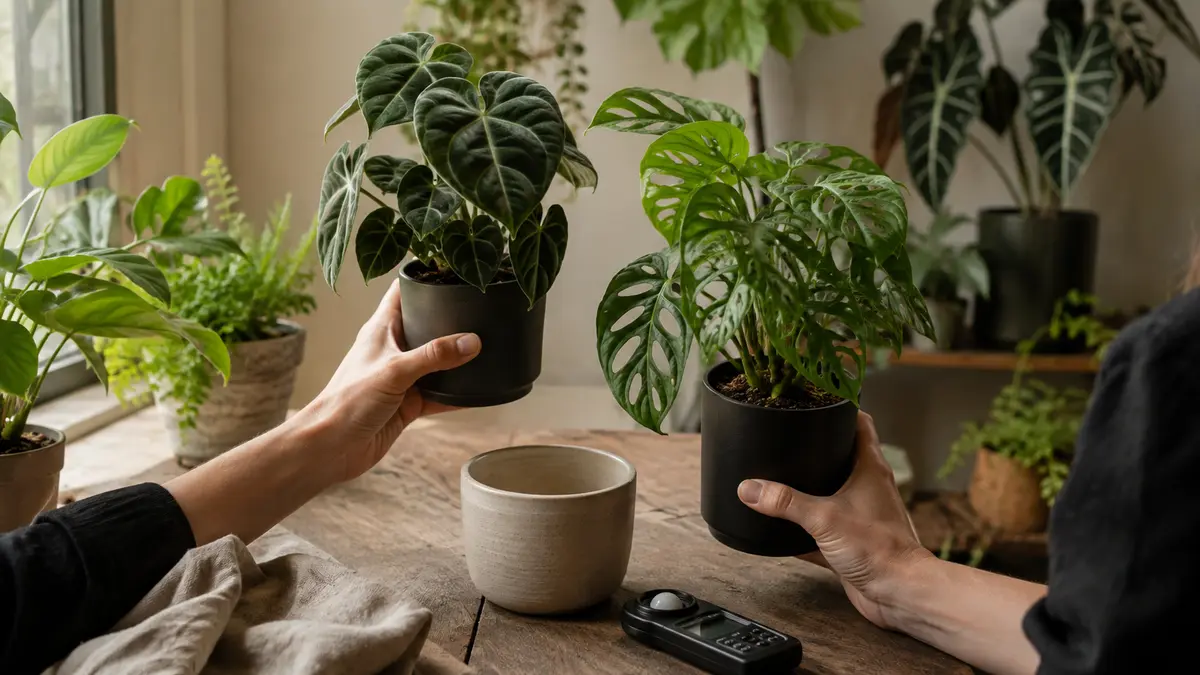
Condition before novelty
Root health, active growth, leaf condition, and overall stability matter more than chasing a name for its own sake.
Cultivated houseplants
Rare Form approaches every plant as a living thing with a history, a current condition, and a set of needs—not as a piece of disposable décor.
Availability changes as plants mature, propagate, and become ready for a new space. Current listings remain the most accurate inventory.
What matters
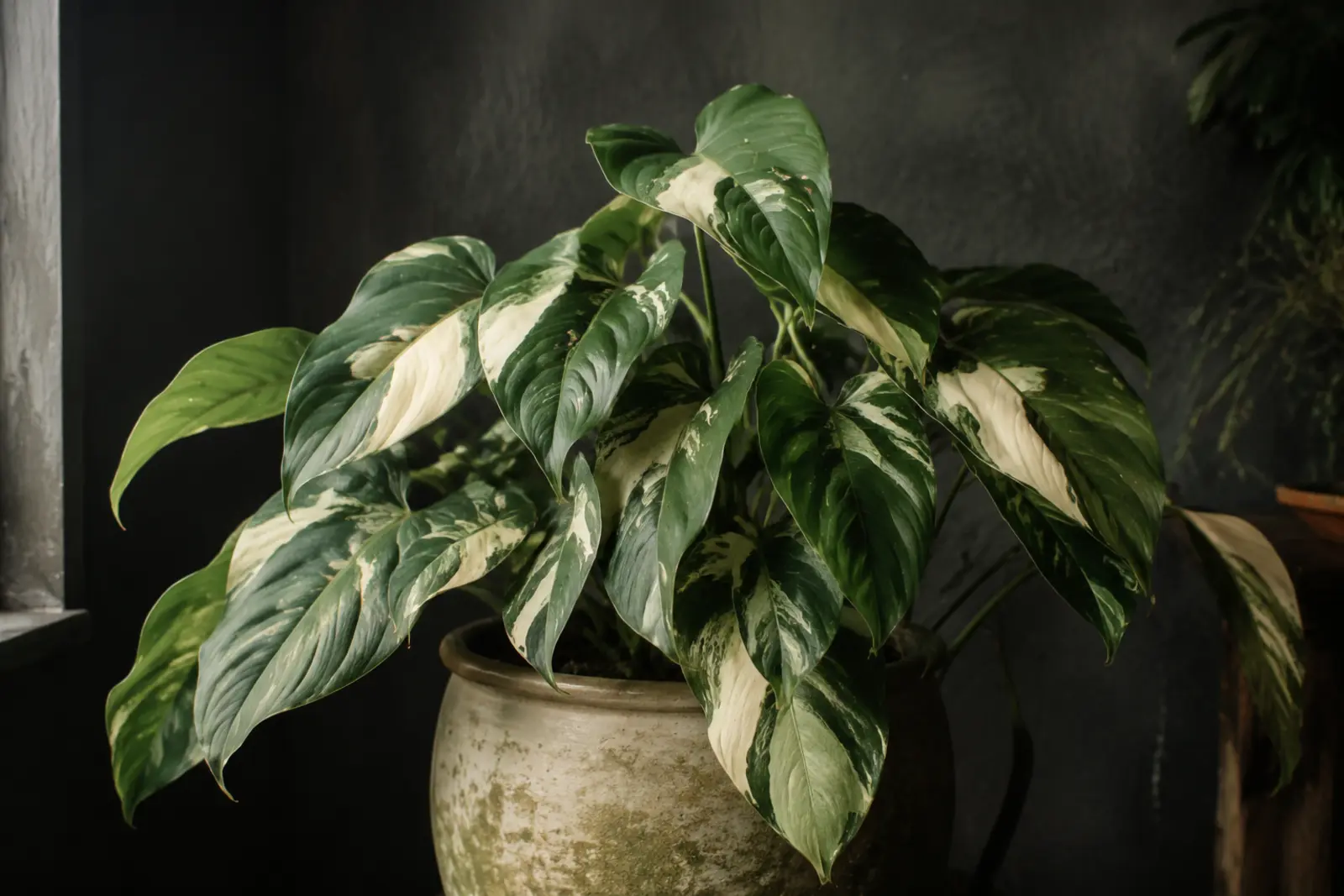
A useful plant choice begins before color, rarity, or leaf pattern. Light, room temperature, watering habits, available space, pets, and the amount of attention a plant can realistically receive all matter. A plant that fits those conditions has a better chance to settle in and become part of the room rather than becoming a recurring problem.
Rare Form Plants works with cultivated houseplants at different stages. Some may be familiar species with especially compelling form; others may be less common or available only in small numbers. The goal is not to maintain a permanent catalog. It is to offer plants when they are established enough to move and to explain the transition clearly.
Key points
Root health, active growth, leaf condition, and overall stability matter more than chasing a name for its own sake.
Available light and mature size should guide the choice before a plant is placed in a specific corner.
New plants need time to acclimate. Clear expectations reduce unnecessary repotting, moving, and overwatering.
Before choosing
Begin by watching the space across a normal day. Note the direction of the nearest window, how far the proposed plant location sits from the glass, whether curtains or neighboring buildings reduce the light, and whether the room changes dramatically by season. Human eyes adjust quickly; plants do not. A corner that feels bright may still be low light for active plant growth.
Then consider the care pattern. Some people enjoy checking plants frequently; others need something that tolerates a missed week. Neither is wrong. The useful question is whether the plant and the caretaker match. Mature size also matters: a compact plant on the day of purchase may eventually need floor space, support, or regular pruning.
At handoff
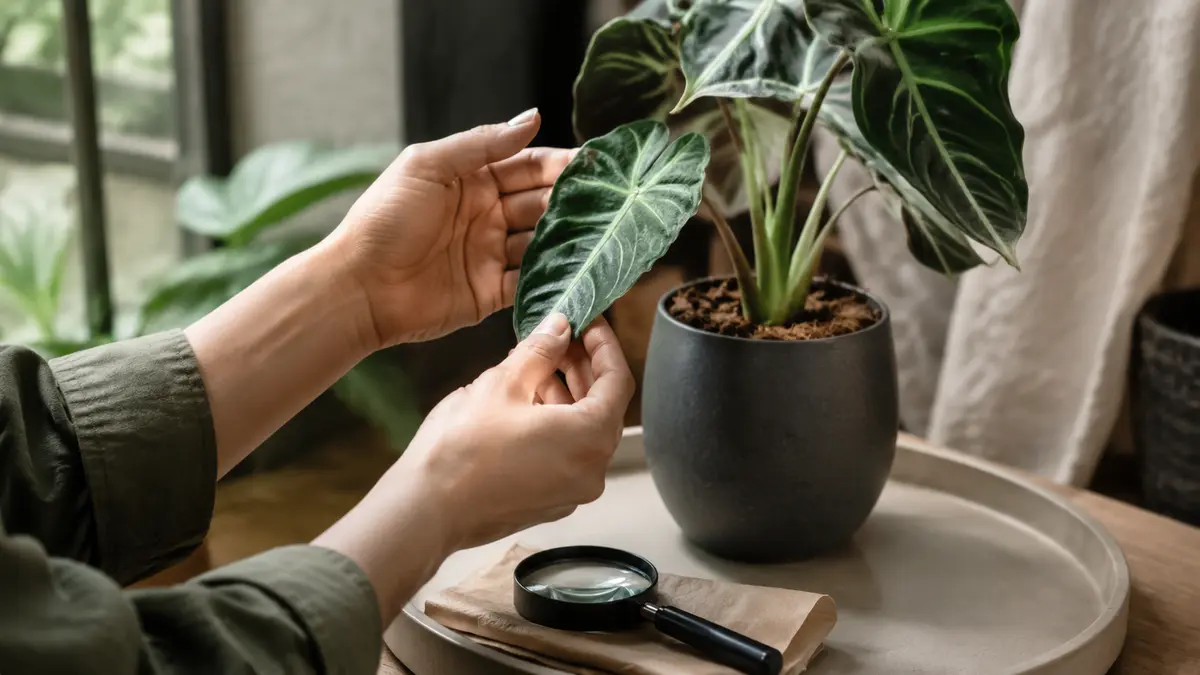
Living plants carry evidence of how they grew. An older cosmetic mark does not necessarily signal an active problem, while a flawless leaf cannot prove that the roots or growing conditions are sound. Evaluate the pattern: new growth, stem firmness, moisture level, root condition when visible, and whether damage appears stable or continuing.
Ask what medium the plant is currently growing in and how it has been watered. That information is more useful than immediately replacing the soil. Moving into a new home already changes light, humidity, airflow, temperature, and handling. Keeping the root environment steady for a short acclimation period can reduce the number of variables at once.
First weeks
A new plant may pause, turn toward the light, shed an older leaf, or use water at a different rate after moving. Avoid responding to every change with more water, fertilizer, repotting, or another move. Place it in appropriate light, keep it away from severe drafts, check the medium rather than watering by calendar, and observe the trend.
It is also sensible to keep a new arrival separate from an established collection while observing it. Inspect leaf undersides, stems, and the soil surface in good light. This is a calm prevention step, not a reason to panic. The care guides on this site cover acclimation, light, watering, and repotting in more depth.
Next steps
Share the light, intended placement, and the approximate size you have room for.
Be candid about watering habits, travel, pets, and the amount of maintenance you want.
Because the selection changes, use active Marketplace listings or ask what is ready now.
Take the plant home with a simple acclimation plan instead of changing every variable immediately.
Best for
Questions & answers
No permanent catalog is promised. Availability changes as plants mature and new pieces are developed. Facebook Marketplace is the most direct place to see active listings, and an inquiry can confirm what is currently ready.
Rare Form is the studio name, not a guarantee that every plant is botanically rare. The selection may include familiar, unusual, propagated, or small-release plants chosen for condition, form, and interest.
Usually there is value in observing first unless the container, medium, roots, or plant condition creates an immediate reason to act. Moving and repotting at the same time can make it harder to identify the source of stress.
Yes. Include photos of the space, the window direction, the proposed distance from the window, and your care preferences. For a larger room plan, plant styling may be the better starting point.
Contact Rare Form
Share the room, light, preferred size, and level of care you want. Rare Form can point you toward current availability or the right next conversation.