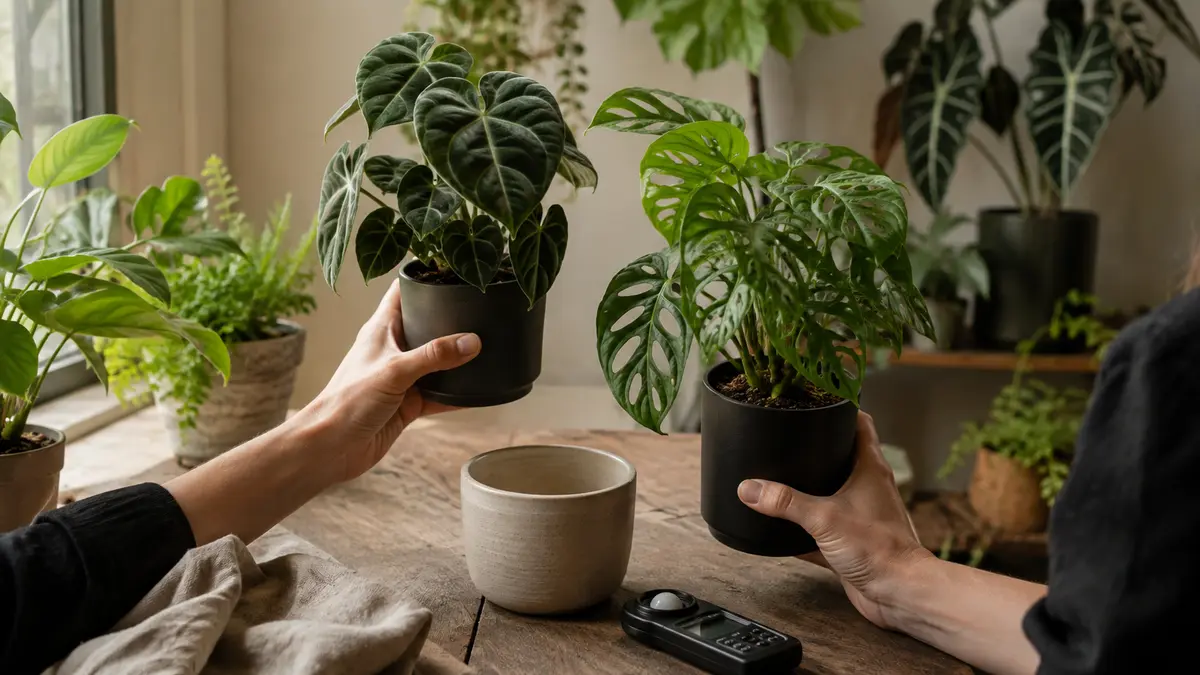
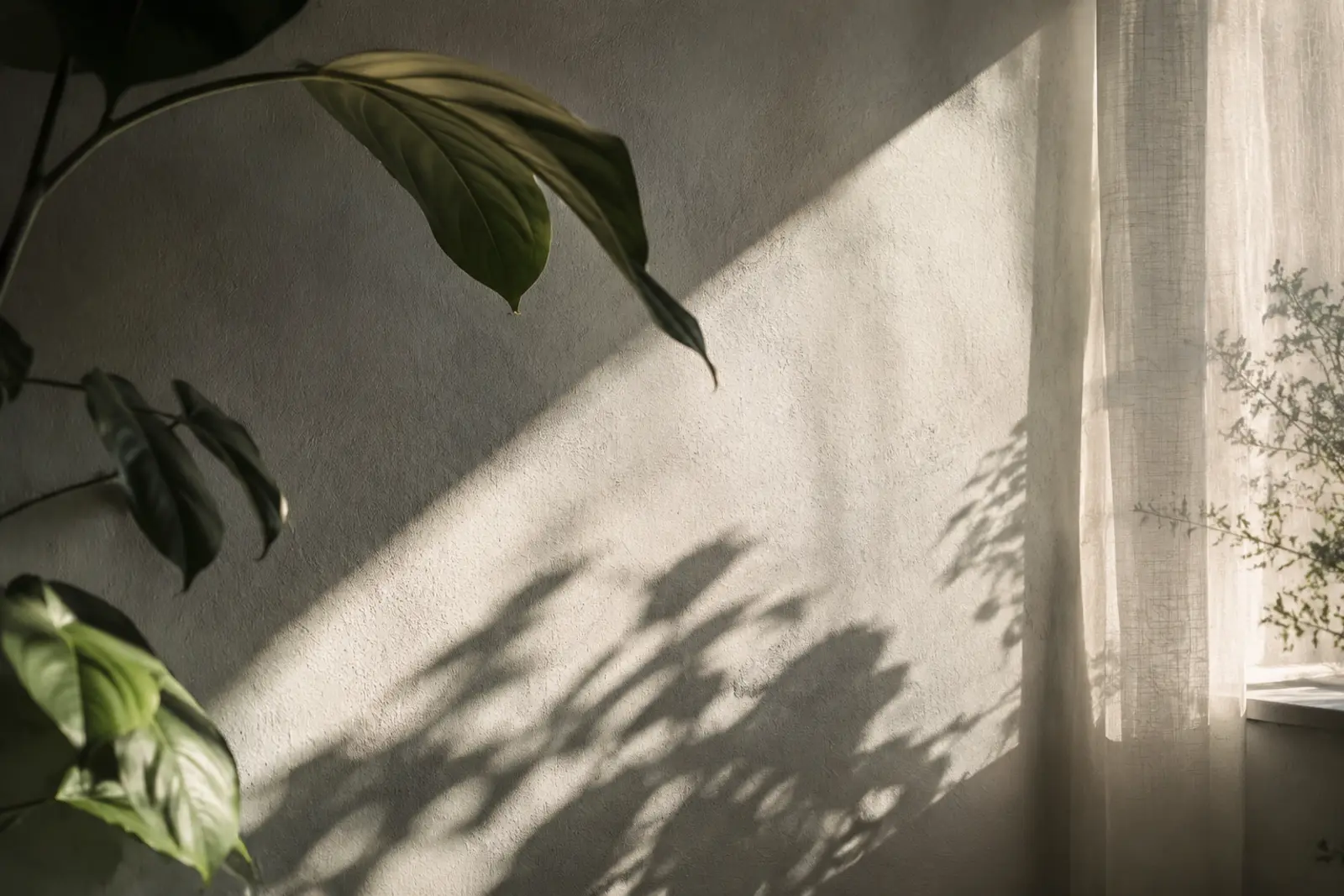
Light
Direction, distance, duration, obstructions, season, and acclimation.
Plant styling in southeastern Pennsylvania
Rare Form helps homes, offices, studios, retail, and hospitality spaces match plant selection and placement to light, mature size, circulation, and maintenance.
A good plan should look finished and remain practical to care for.
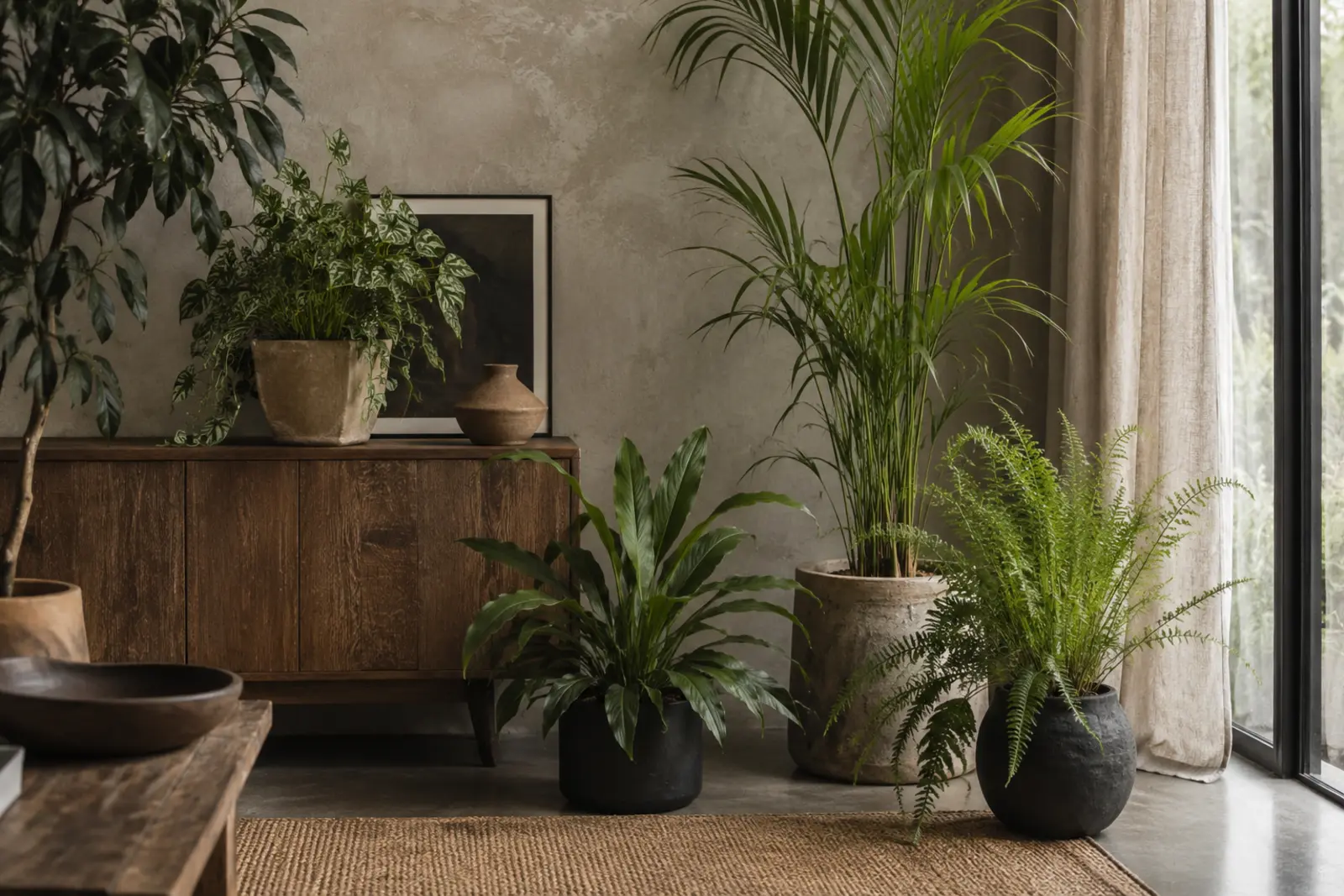
The design brief
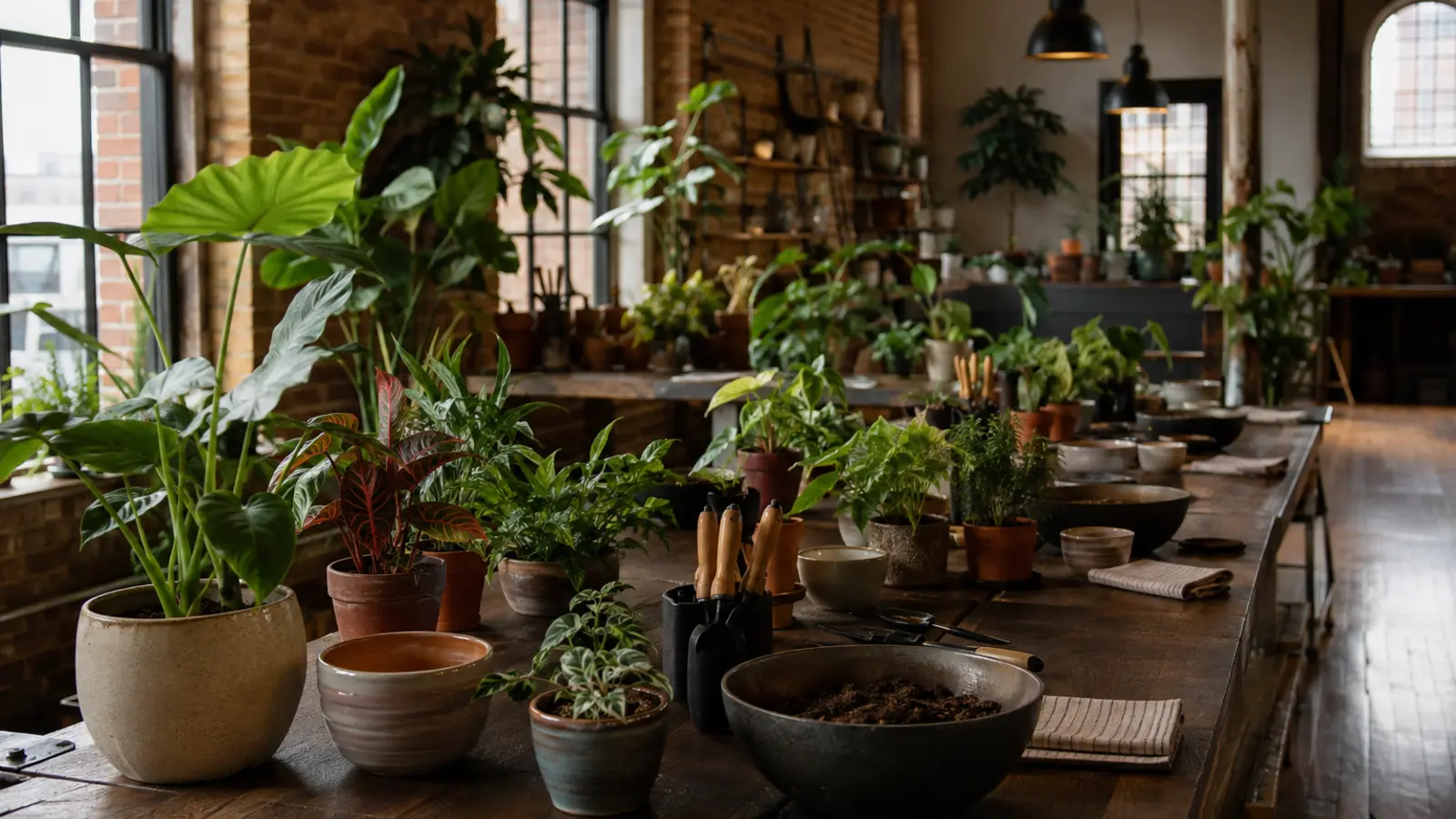
Plants bring line, volume, movement, color, and irregular living texture into an interior. But unlike a static object, they orient toward light, grow beyond their original silhouette, shed, need access, and respond to changing care. A plant plan should allow for that growth instead of freezing the room at installation day.
Rare Form can help translate photographs, windows, dimensions, furniture, existing plants, maintenance preferences, and visual goals into a clearer direction. The result may be one strong placement, a layered room, or a phased plan that begins with the areas most likely to succeed.
Five design lenses
Direction, distance, duration, obstructions, season, and acclimation.
Current size, mature reach, support, vessel, and architectural proportion.
Upright, arching, climbing, trailing, spreading, broad, or finely textured.
Repetition, contrast, negative space, sight lines, and movement through the room.
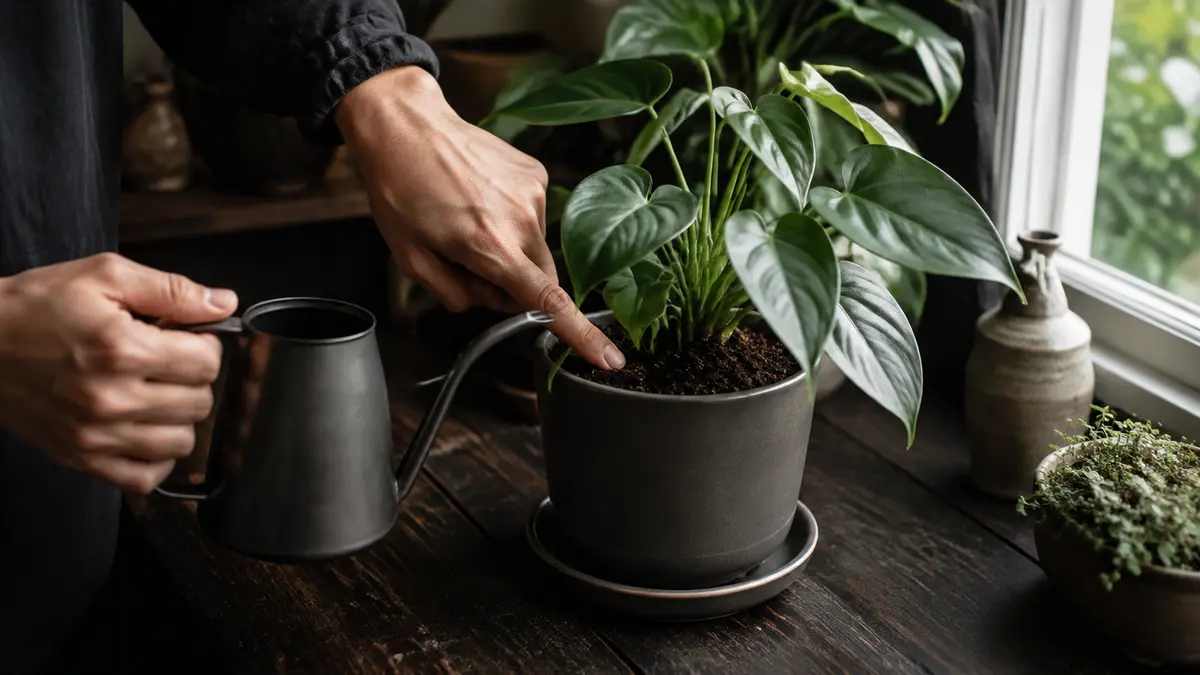
Access, responsibility, travel, pets, water, pruning, rotation, and future repotting.
Possible scopes
Solve one visually important area by matching plant form, mature size, vessel, light, and maintenance to the location.
Coordinate several placements while keeping light and care practical.
Start with the strongest placements, see how they perform, and add only where the room needs more.
Prepare the room
Show windows, furniture, circulation, and proposed plant locations in the same frame. Close-ups alone hide the information styling needs.
Styling questions
Rare Form welcomes inquiries from across southeastern Pennsylvania for homes, offices, studios, retail spaces, and hospitality environments. The scope depends on location, access, conditions, timing, and availability.
Yes. A single statement placement or recurring plant problem can be a useful focused scope. Share wide photographs, window direction, distance, dimensions, and the role you want the plant to play.
Those are separate scope questions. A consultation can focus on direction alone or may lead to a broader plan, but sourcing, vessels, delivery, installation, and ongoing maintenance are not assumed until confirmed.
No one can guarantee the response of a living plant. Styling improves the match among conditions, form, and care, while success still depends on changing light, temperature, roots, watering, and ongoing maintenance.
Contact Rare Form
Send wide photographs, window direction, dimensions, existing plants, design goals, care preferences, timing, and budget range.