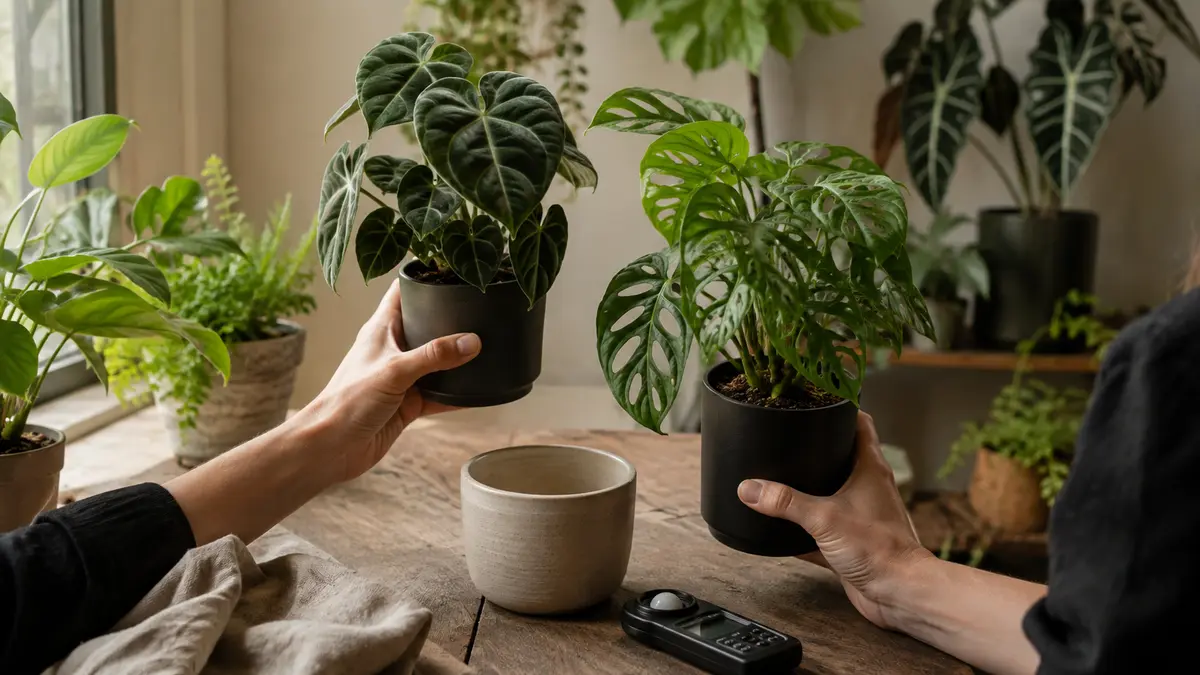
Light is a design material
Plant placement should respond to the real intensity and duration of light, not just to an empty corner.
Southeastern Pennsylvania plant styling consultation
A Rare Form plant styling consultation connects visual goals with light, scale, growth, circulation, maintenance, and the way a space is actually used.
The service can begin with a single difficult placement or a broader plant plan. Scope and deliverables are confirmed before work begins.
What matters
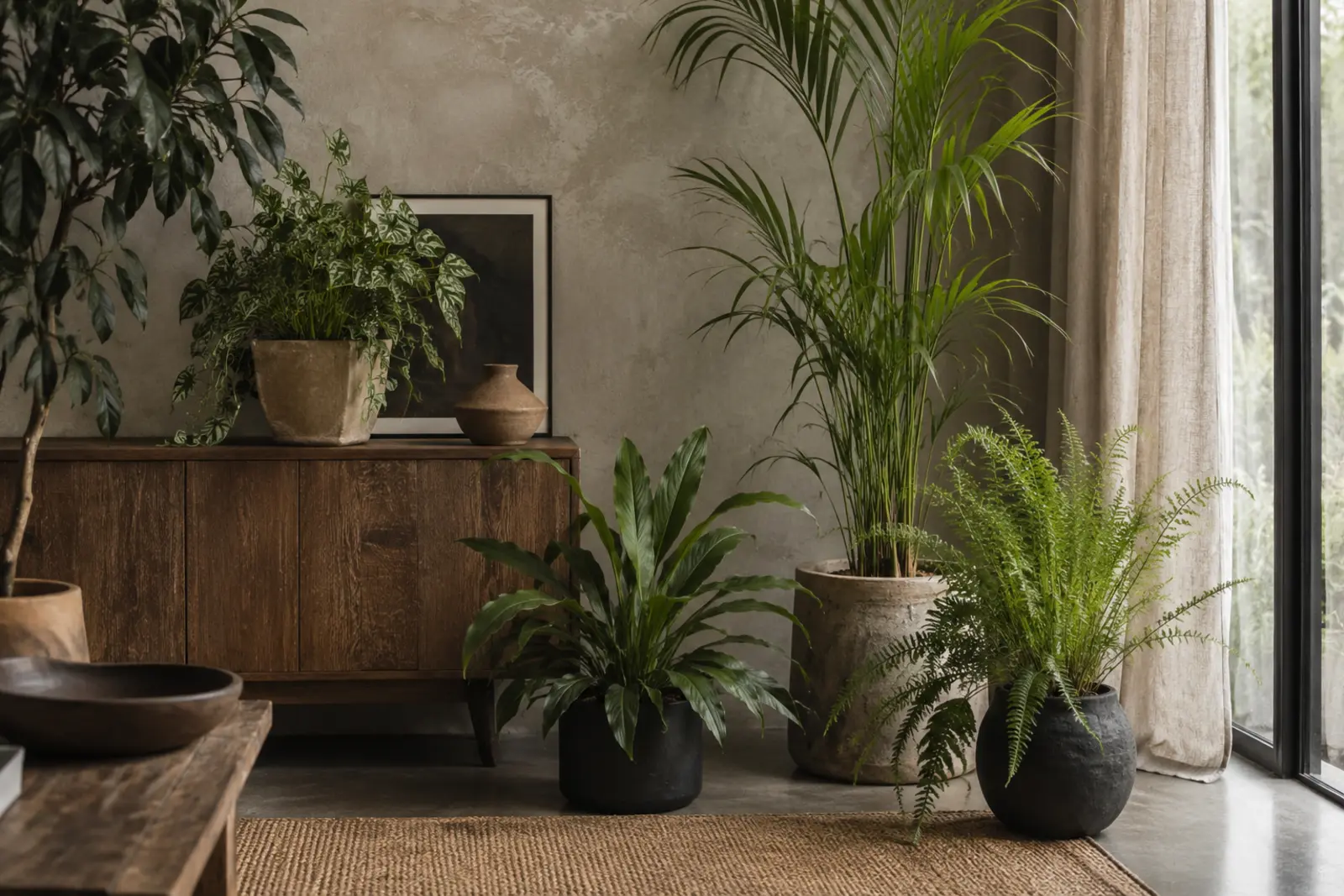
A beautiful plant placed in the wrong conditions creates a short-lived result. Plant styling should begin with the room: its windows, exposure, obstructions, temperature, traffic patterns, furniture, surfaces, and the people responsible for care. Only then does plant selection become meaningful.
Rare Form can help translate that information into a more coherent direction for homes, offices, studios, retail spaces, and hospitality environments. The consultation may focus on plant selection, placement, scale, visual rhythm, or a phased plan. It does not assume that every space needs more plants; sometimes the better answer is fewer, stronger placements.
Key points
Plant placement should respond to the real intensity and duration of light, not just to an empty corner.
The plan should consider mature growth, support, reach, and how the plant will interact with furniture and circulation.
Water access, travel, staff responsibility, pets, and maintenance tolerance affect which choices will remain successful.
The discovery
Useful photographs show the whole room, the windows, and the proposed placements—not just close views of an empty shelf. Window direction, distance, curtains, overhangs, seasonal changes, and neighboring obstructions help create a better light picture. Measurements prevent a statement plant from becoming a blocked walkway or a small plant from disappearing in the architecture.
The care conversation is equally important. Identify who will water, how often the space is occupied, whether people travel, and whether the environment has pets, children, heating vents, strong air conditioning, or temperature swings. These constraints are not problems; they are design information.
The plan
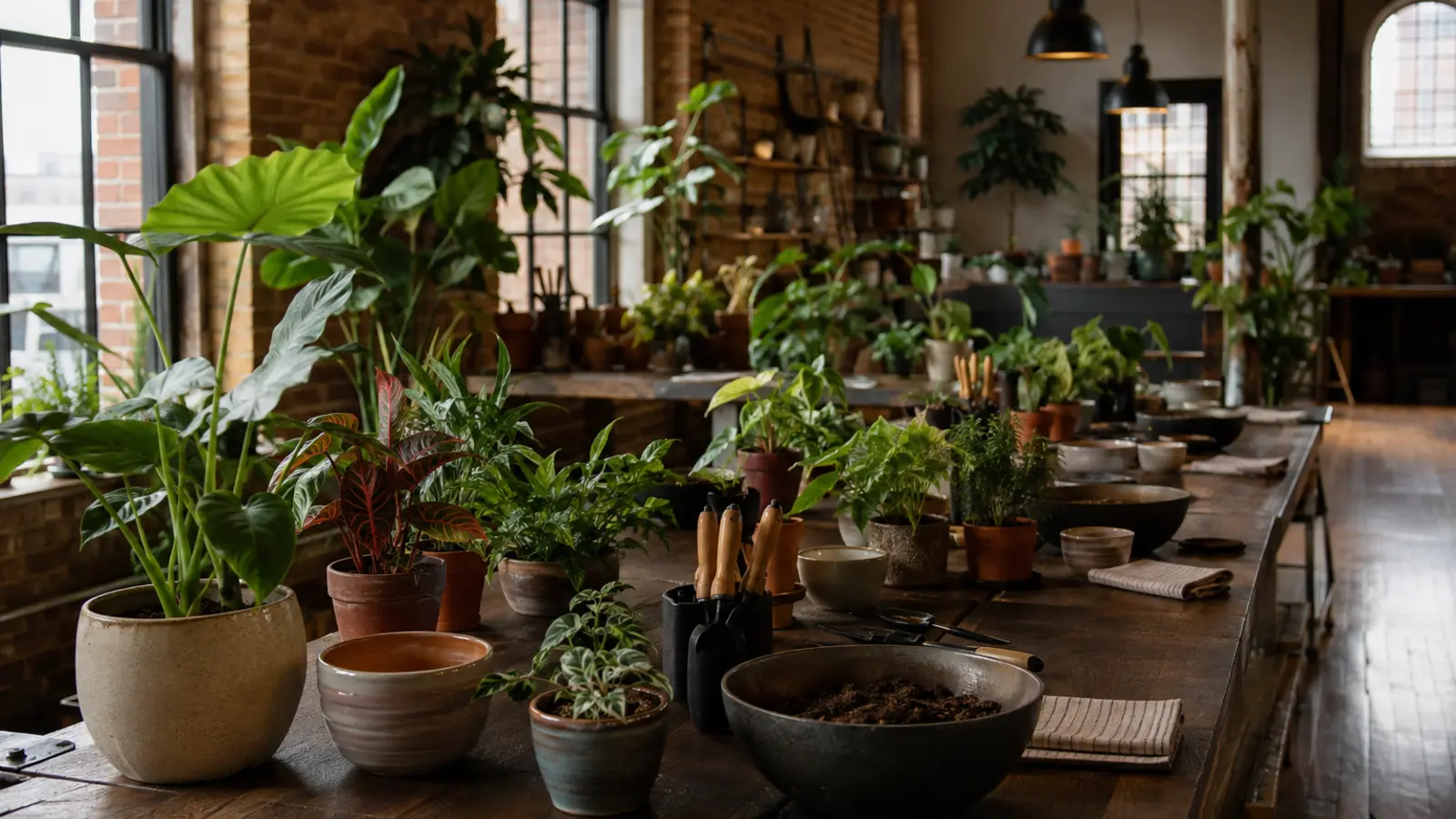
Plants can anchor a room, soften a hard edge, frame a view, bring height to a low arrangement, or create a repeated line across several areas. Those roles suggest different forms: upright, arching, trailing, broad, finely textured, architectural, or deliberately irregular.
A strong plan does not need a plant on every surface. Negative space lets foliage read clearly and makes maintenance easier. Repetition can connect rooms, while variation in scale creates movement. Vessels and stands should support the palette and proportions without competing with every leaf.
The handoff
Placement and selection are only the beginning. The handoff should identify the essential care pattern, what to observe, and who is responsible. For commercial or shared spaces, ambiguity is especially risky: several well-meaning people may water the same plant, or everyone may assume someone else is doing it.
A phased plan can be useful. Begin with the strongest placements, observe how the plants respond, and then add where the room still needs something. This produces better evidence than filling the entire space on day one. Ongoing maintenance is not promised by the consultation unless it is explicitly part of the agreed scope.
Next steps
Send photographs, window information, dimensions, existing plants, and the areas you want to address.
Discuss atmosphere, visual priorities, maintenance tolerance, timing, and budget range.
Plant forms, placements, vessels, and phases can be considered against the real constraints.
Implement the agreed scope, establish care responsibility, and watch how the plan performs over time.
Best for
Questions & answers
It may be possible to begin with clear photographs, video, window direction, measurements, and care information. Some spaces or scopes may benefit from an in-person review, which would need to be discussed.
Not necessarily. Existing plants and vessels can be part of the review. The goal is a better match between conditions, placement, scale, and care—not automatic replacement.
Those services should be treated as scope questions. A consultation may focus on guidance alone or may lead to a broader plan, but sourcing, vessels, delivery, installation, and maintenance are not assumed until confirmed.
Yes. A focused problem can be a useful starting point. Share the room, proposed location, measurements, light, and what you want the placement to accomplish.
Contact Rare Form
Send wide photographs, window direction, dimensions, existing plants, design goals, and the level of care the space can support.