Plant care guides
Read the plant before changing the routine.
Use these guides to choose a plant, understand indoor light, water more accurately, repot for a clear reason, and settle a new arrival.
Plant symptoms often overlap. Check the whole plant, change one major variable at a time, and track the result.
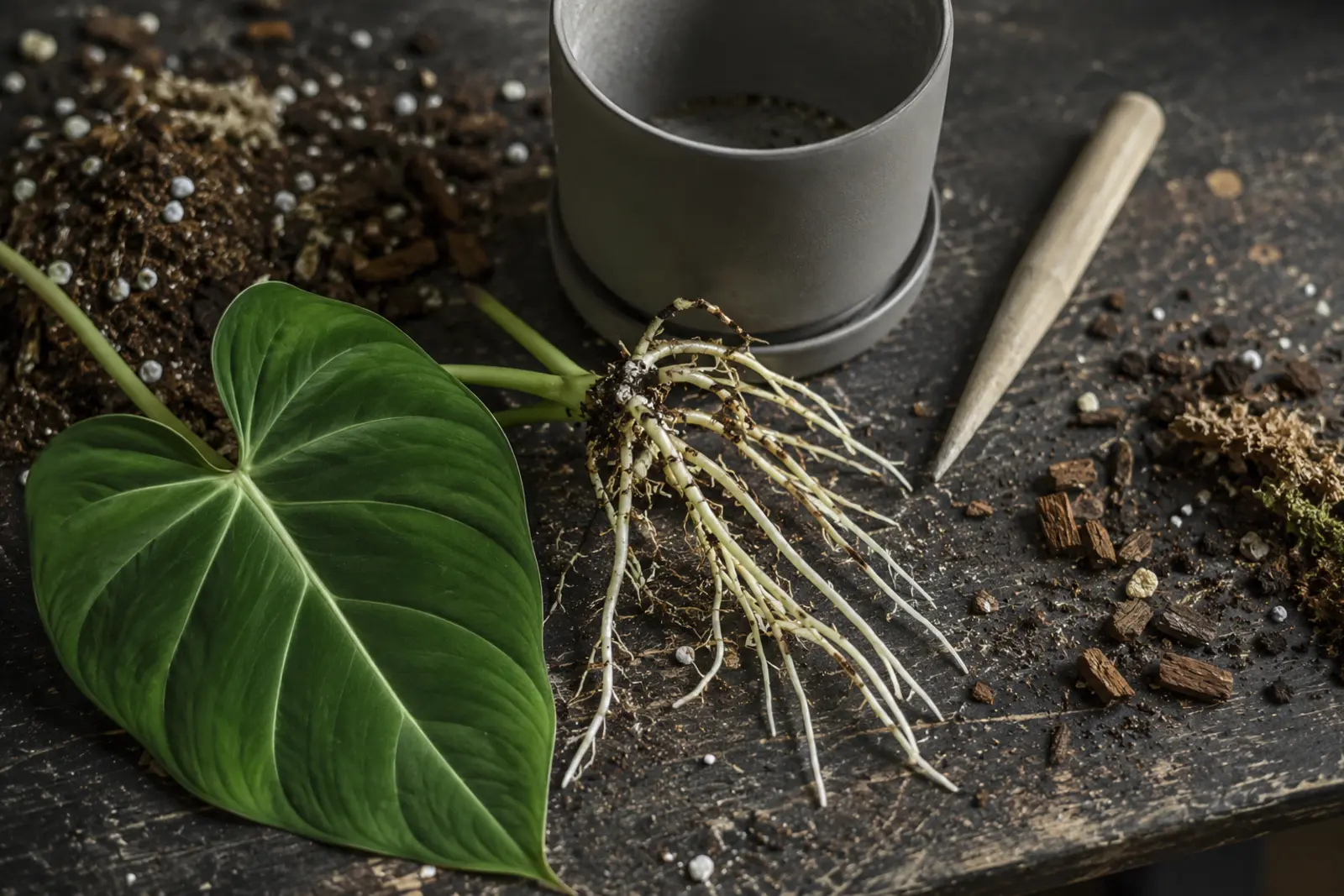
Begin before purchase
The best care decision may happen before the plant comes home.
Read the room, define the role, consider mature form, and choose for the care you can consistently provide.
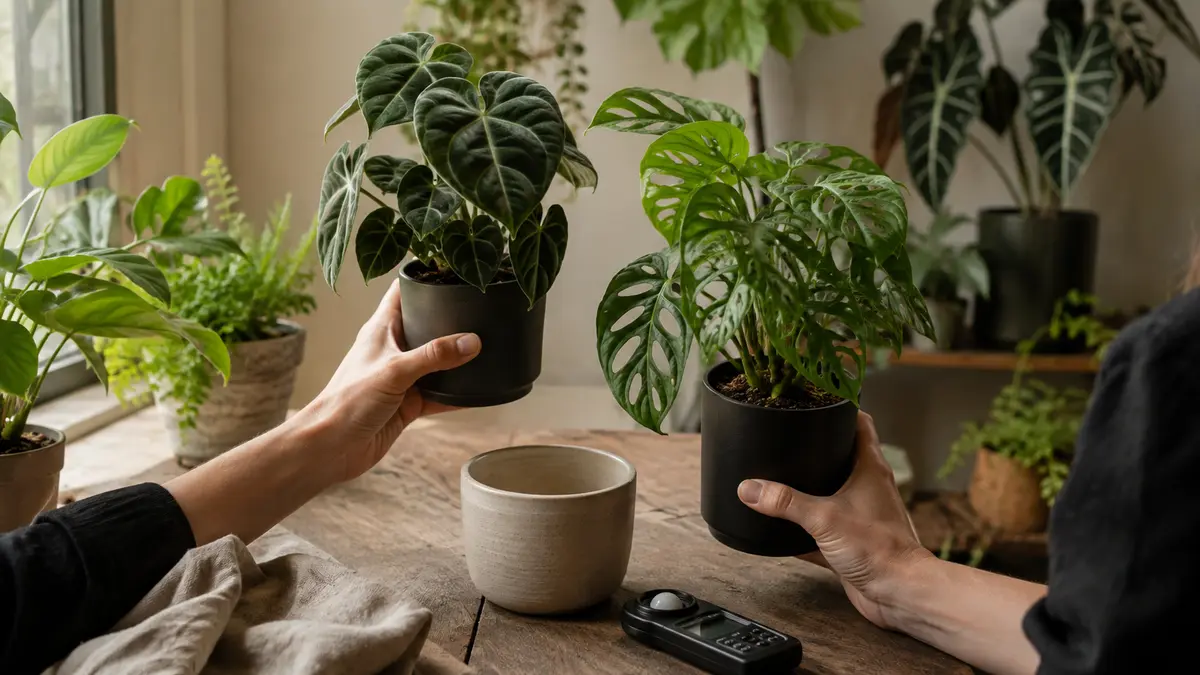
Build the routine
Check the plant and conditions before acting.
A reminder can prompt a check. Moisture, roots, light, pot, and season should determine the response.
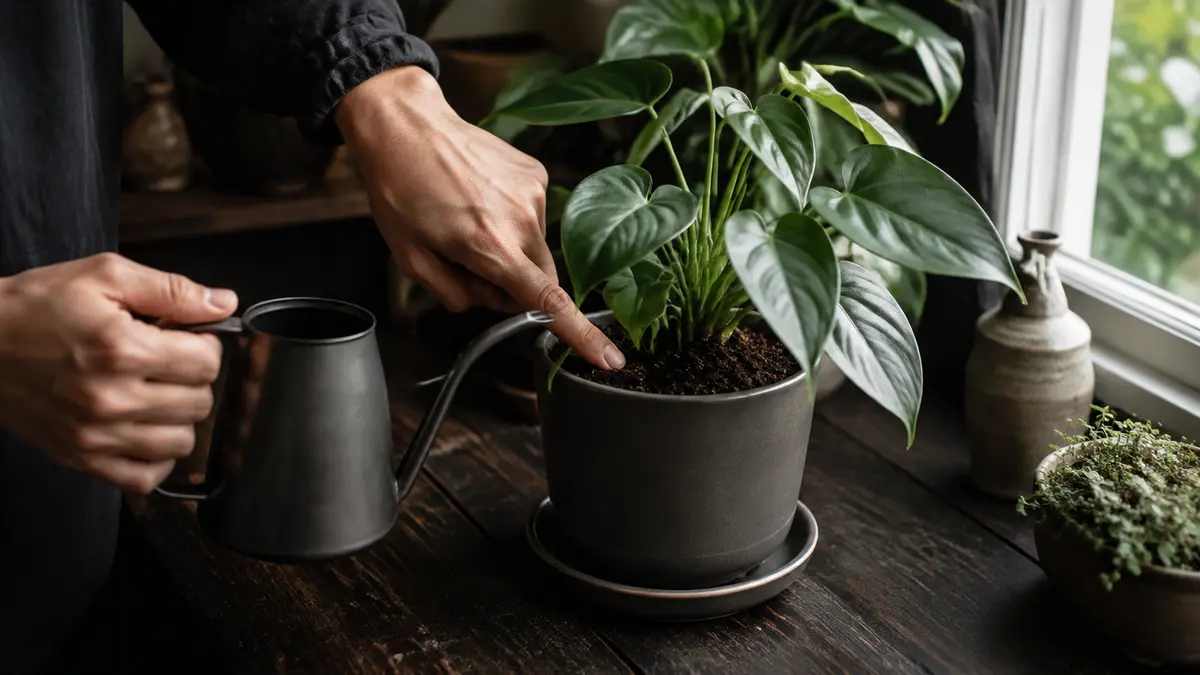 WateringWater without a rigid scheduleInspect the root zone, water evenly when appropriate, drain excess, and learn the changing interval.Read the watering guide →
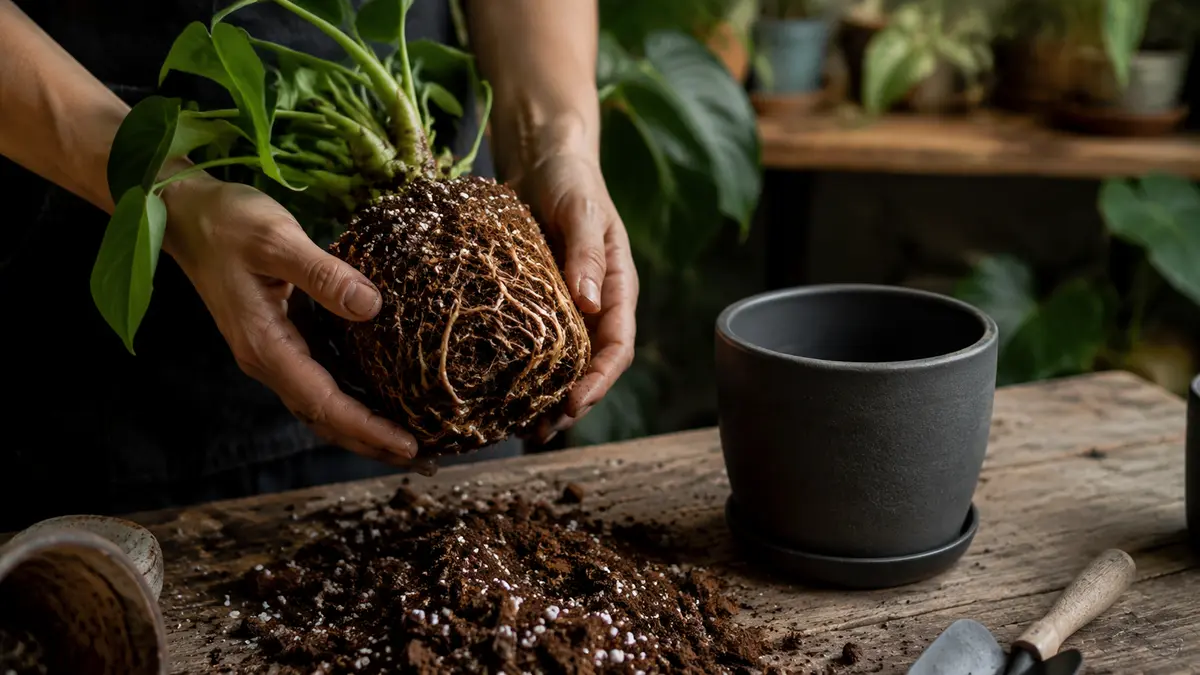 Roots & mediumRepot for a clear reasonUse root mass, medium behavior, drainage, stability, and recovery—not the calendar alone.Read the repotting guide →
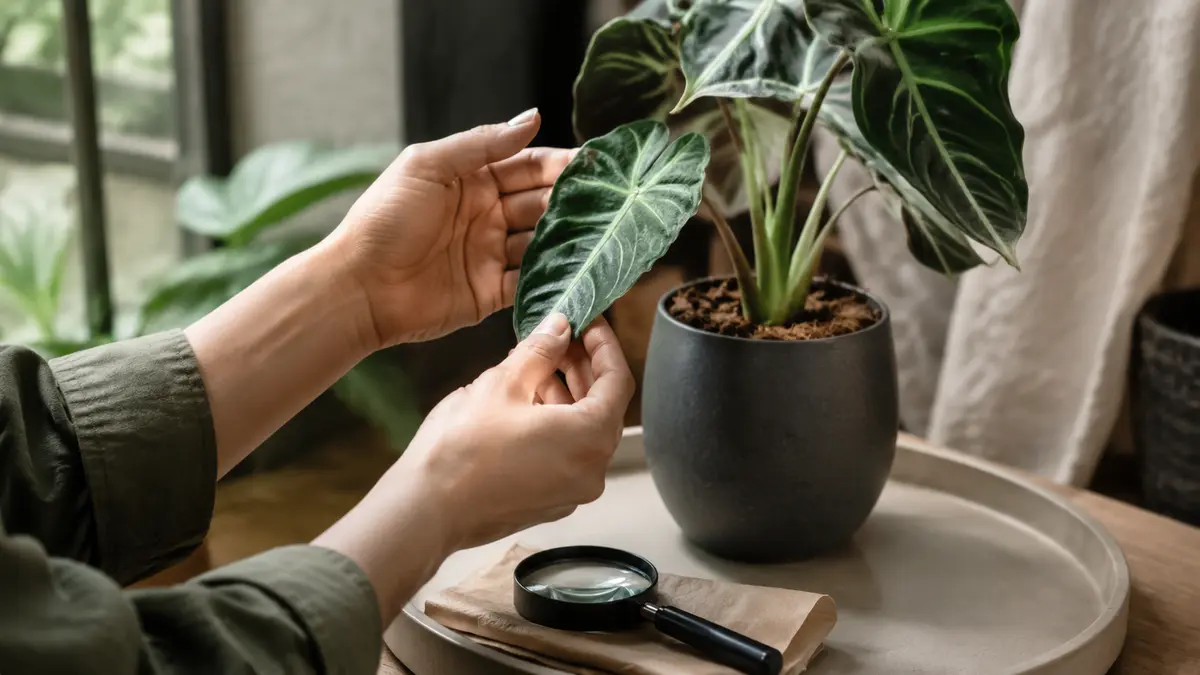 New arrivalsMake the first weeks quieterInspect, separate, choose suitable light, learn the drying rate, and limit simultaneous changes.Read the acclimation guide →
A repeatable method
Check → describe → compare → adjust
Plant care becomes easier to reason about when memory is replaced by simple evidence and one change is given time to show a response.
- 1Check the whole system
Plant, roots, pot, medium, light, temperature, recent care, and possible pests.
- 2Describe what changed
New growth, older leaves, moisture use, location, season, and the timeline of symptoms.
- 3Compare with a baseline
Use photographs and notes instead of relying on how the plant seemed weeks ago.
- 4Adjust deliberately
Change the strongest supported variable, then wait long enough to read the result.
When a guide is enough
Use these pages for everyday decisions.
- Choosing among appropriate placements
- Checking moisture before routine watering
- Deciding whether a healthy plant has a clear repotting reason
- Creating a new-plant inspection and acclimation routine
- Preparing useful photographs and questions for an inquiry
When to seek more help
Do not force a general guide to diagnose everything.
- Rapid or continuing collapse
- Suspected pests or a spreading condition you cannot identify
- Root, stem, or tissue damage that is severe
- Possible plant toxicity involving a person or animal
- A large or valuable specimen needing hands-on assessment
For exposure or toxicity concerns, contact an appropriate medical professional, veterinarian, or poison-control resource rather than relying on a plant-care website.
Contact Rare Form
Have a plant-care question?
Send clear photographs of the plant and pot, plus the growing medium, window direction, watering pattern, timeline, and most recent change.