Limit simultaneous changes
Appropriate light and careful monitoring are easier to interpret when repotting and other interventions wait without a clear reason.
New plant acclimation
A new plant is already adapting to different light, temperature, airflow, humidity, handling, and care. Reduce extra changes and observe the trend.
Isolation and inspection protect an established collection. They are routine prevention, not proof that a new plant has pests.
What matters
Moving a plant changes more than its address. Greenhouse, shop, market, vehicle, and home conditions can differ in light, temperature, humidity, airflow, and watering. The plant may pause, orient toward a new light source, dry at a different rate, or let go of an older leaf while it reallocates resources.
The temptation is to improve everything immediately: repot, fertilize, prune, wash, move, and water on the household schedule. That makes cause and effect harder to read. A steadier approach gives the plant an appropriate temporary location, separates it from the collection, checks moisture rather than dates, and records what changes.
Key points
Appropriate light and careful monitoring are easier to interpret when repotting and other interventions wait without a clear reason.
Check leaves, stems, growing points, pot, and medium in good light before placing the plant near a collection.
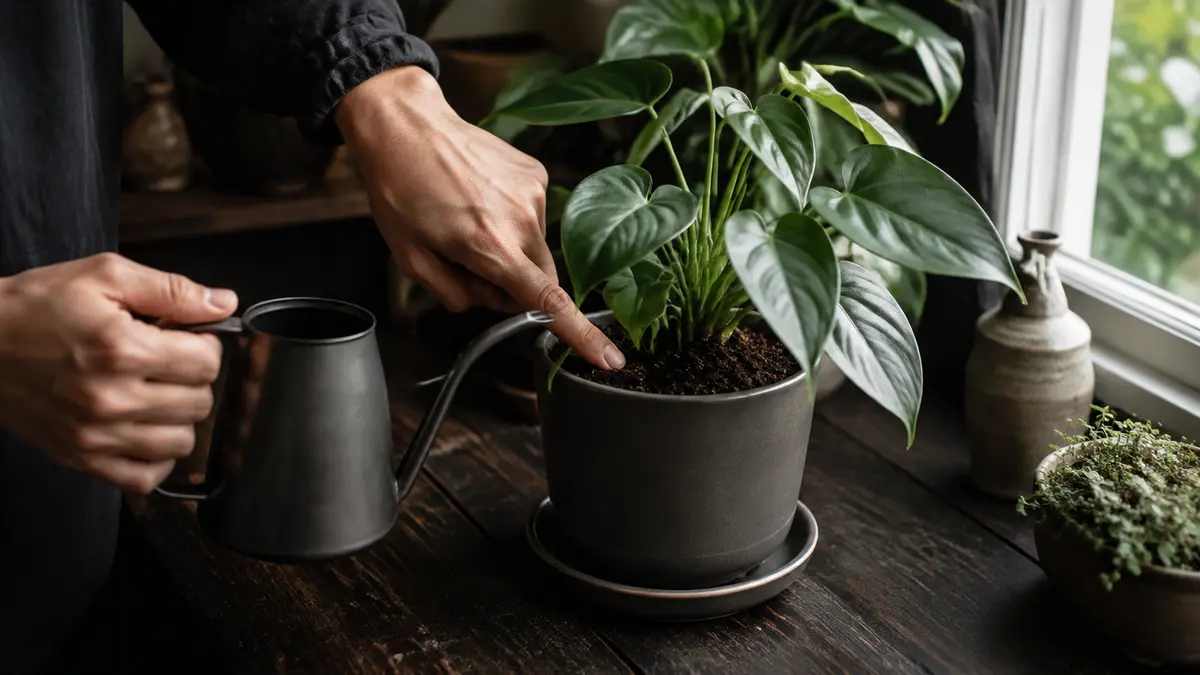
The plant may use water differently in your home, so do not inherit the previous caretaker’s interval blindly.
Arrival check
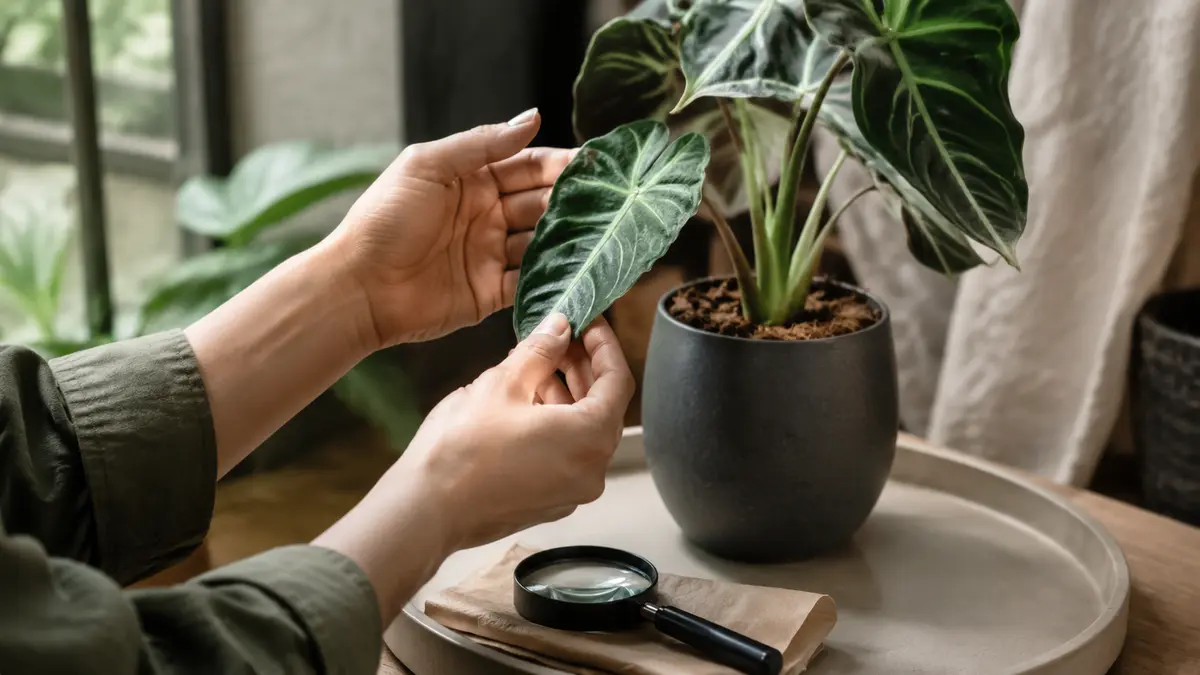
Photograph the whole plant, both sides of representative leaves, stems, growing points, the pot, and the soil surface. Note existing tears, spots, yellowing, or old mechanical damage. This baseline prevents an older mark from becoming a new emergency in memory.
Inspect leaf undersides and stem joints for insects, webbing, sticky residue, scale-like bumps, cottony material, or unusual debris. If something is uncertain, keep the plant separate and identify it before treatment. Random pesticide use can stress a plant and may not address the underlying problem.
Temporary placement
Place the plant where the species can receive appropriate light, but introduce strong direct sun gradually if the previous exposure is unknown. Avoid severe drafts, heat sources, cold exterior doors, and high-traffic areas where the leaves will be bumped repeatedly.
Keep enough distance from other plants to inspect and respond if pests appear. The isolation period is not defined by one perfect number of days; it should be long enough to observe new activity through repeated checks. Separate tools and clean the area when practical.
Interpreting change
An older leaf yellowing after a move can be part of adjustment, but repeated leaf loss, spreading lesions, collapse, or a pot that stays wet unusually long deserves closer attention. Symptoms overlap. Light, water, roots, temperature, physical damage, and pests can produce similar-looking stress.
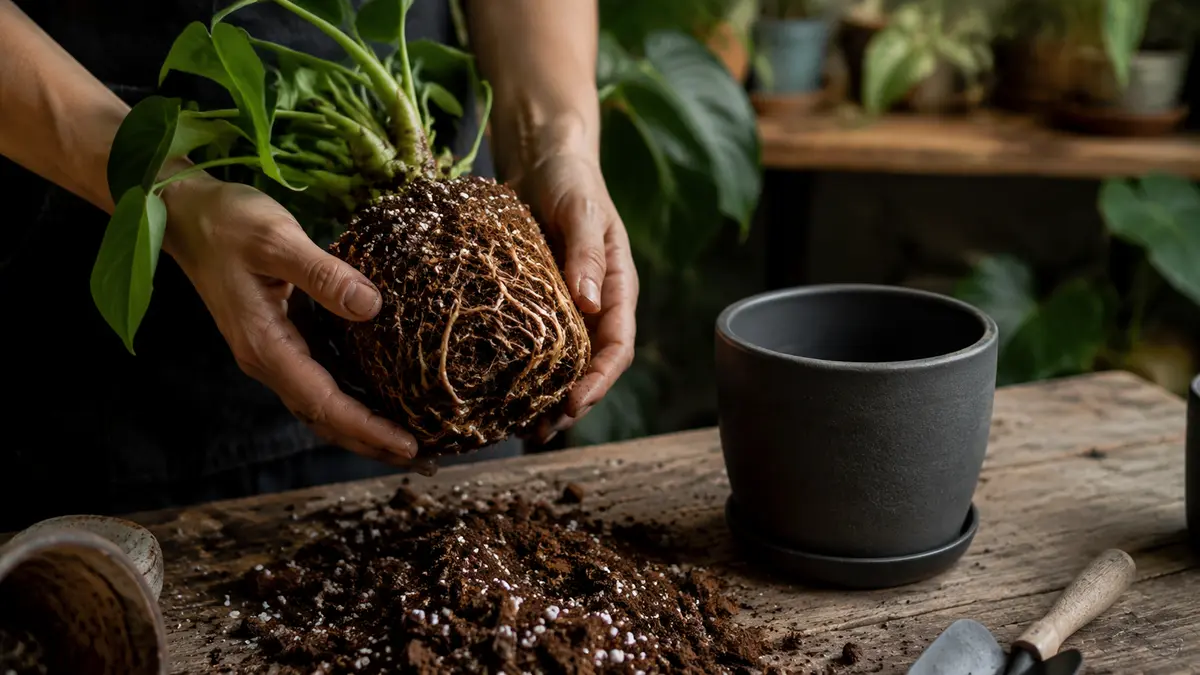
Change one major variable at a time when the plant is stable enough to allow it. If repotting is clearly necessary because of root or medium problems, document the reason and root condition. Otherwise, waiting can reveal the home’s natural watering interval and the plant’s response to its placement.
Rare Form recommends
Each product page explains why the item was selected, where it fits, where it does not, and what to check before following the affiliate link.
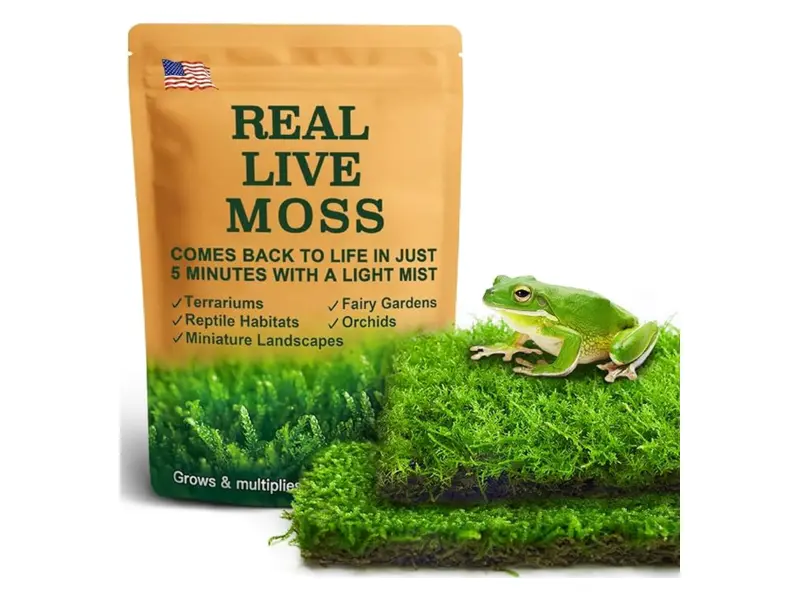
LUCKYRUNES
Two varieties of real live moss for humid terrariums, vivariums, miniature landscapes, and botanical décor.
Why it made the shortlist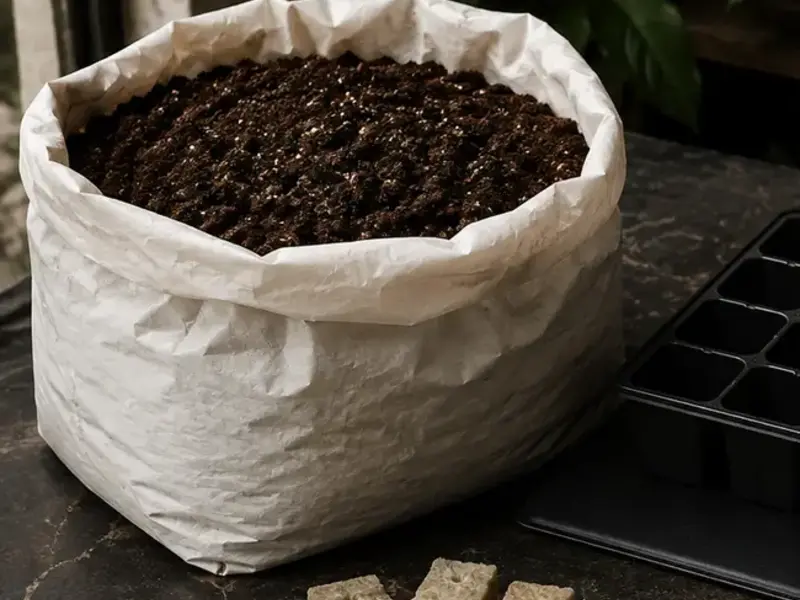
FoxFarm
A nutrient-rich, ready-to-use potting soil that gives many container plants a substantial base while allowing plant-specific drainage adjustments.
Why it made the shortlist
Bonide
Ready-to-use imidacloprid granules for listed pests on containerized household plants, for targeted use only when the pest and plant fit the current label.
Why it made the shortlistNext steps
Create a baseline for condition, pests, moisture, pot, and visible roots.
Choose suitable light and stable conditions away from the established collection.
Learn how the medium dries in the new environment before setting a routine.
Repot, treat, fertilize, or move only for a clear reason supported by the pattern.
Questions & answers
There is no single period that guarantees detection. Use repeated inspection over enough time to observe new activity, and extend separation when anything is uncertain.
Check the root-zone moisture first. Transport does not automatically mean the plant is dry, and the previous watering may have been recent.
It can be part of adjustment, especially for an older leaf, but the pattern matters. Repeated yellowing, spreading damage, collapse, or persistent wetness deserves closer investigation.
If the permanent location provides appropriate conditions, transition after the plant has been inspected and the light difference is manageable. Stronger direct light should usually be introduced gradually.
Contact Rare Form
Ask about its current pot, medium, recent watering, light, and any known cosmetic history so the transition begins with useful information.