Inspection can be scheduled
Use reminders to check plants regularly, while letting current moisture determine the watering decision.
Houseplant watering guide
A calendar can remind you to inspect plants, but the decision to water should respond to moisture, roots, pot, light, temperature, and season.
Too much water usually means watering again before the root zone has used enough oxygen and moisture—not simply using a large volume once.
What matters
Watering advice often collapses into a day count: once a week, every ten days, or twice a month. That sounds convenient but ignores the conditions that determine how quickly a pot dries. A plant near a bright summer window may use water very differently from the same plant in a cooler, darker winter location.
A better routine has two parts. Inspect on a consistent rhythm, then water only when the evidence fits the plant. Learn how the medium feels at depth, how the pot weight changes, how quickly water drains, and how the plant normally holds its leaves. Over time, those observations become more reliable than a fixed schedule.
Key points
Use reminders to check plants regularly, while letting current moisture determine the watering decision.
A slow, thorough watering is often more useful than repeatedly wetting only the top layer.
Light, temperature, roots, pot size, medium, humidity, and season all affect drying.
Before watering
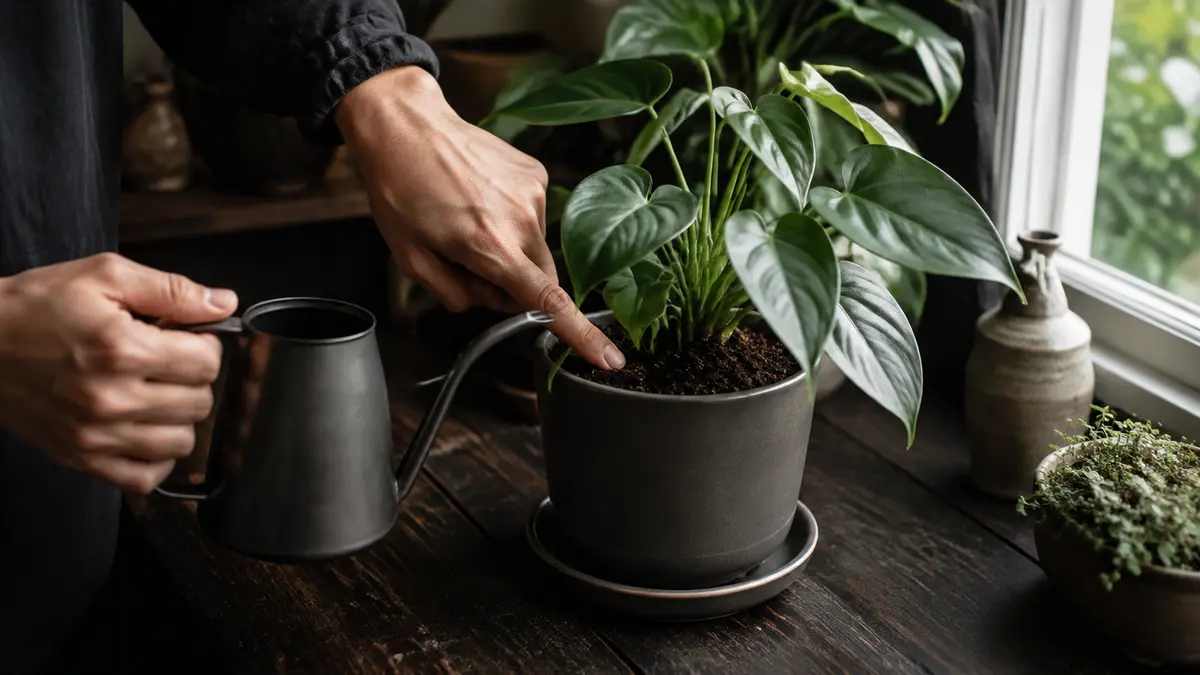
The surface can look dry while deeper medium remains wet. Insert a finger or wooden skewer where appropriate, feel the pot weight, and compare with what you know from a recently watered pot. Transparent nursery pots can reveal condensation and root-zone moisture. Moisture meters can add information but should not replace judgment, especially in chunky or uneven mixes.
Different plants tolerate different degrees of drying. Root condition also matters. A plant with limited or damaged roots may stay wet because it cannot use the available water, while a root-bound plant may dry quickly or let water channel past the root ball. The evidence should lead to a question, not an automatic pour.
During watering
When the plant is ready, apply water slowly enough for the medium to absorb it. Very dry mixes can repel water; a second slow pass or a brief bottom soak may be useful, followed by complete drainage. Empty cachepots and saucers rather than leaving the nursery pot standing in water unless the plant is being managed with a specific semi-hydro method.
A small splash can keep the surface damp while leaving much of the root ball dry. Thorough watering does not mean keeping the pot constantly wet. It means distributing water through the usable root zone, then allowing air to return as the medium drains and the plant uses moisture.
When patterns go wrong
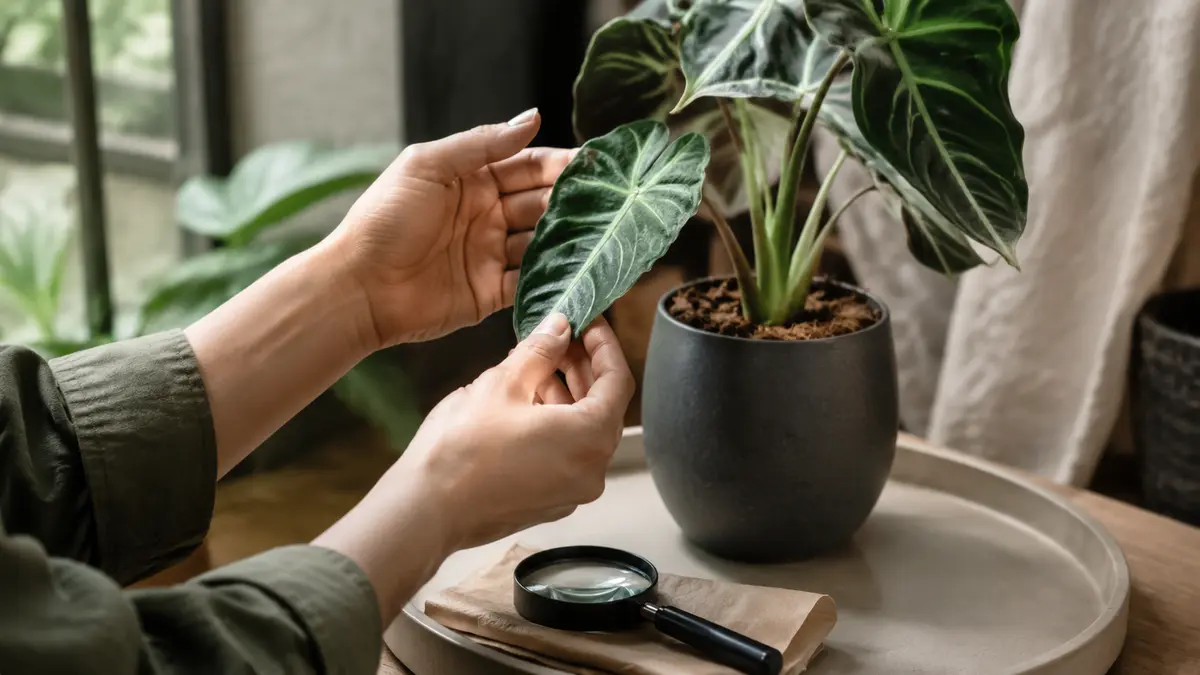
If a pot stays wet for an unusually long time, consider light, temperature, root health, pot size, blocked drainage, and medium structure. Simply waiting longer may be enough after a seasonal change, but sour smell, collapsing tissue, or continuing decline can justify a closer root inspection.
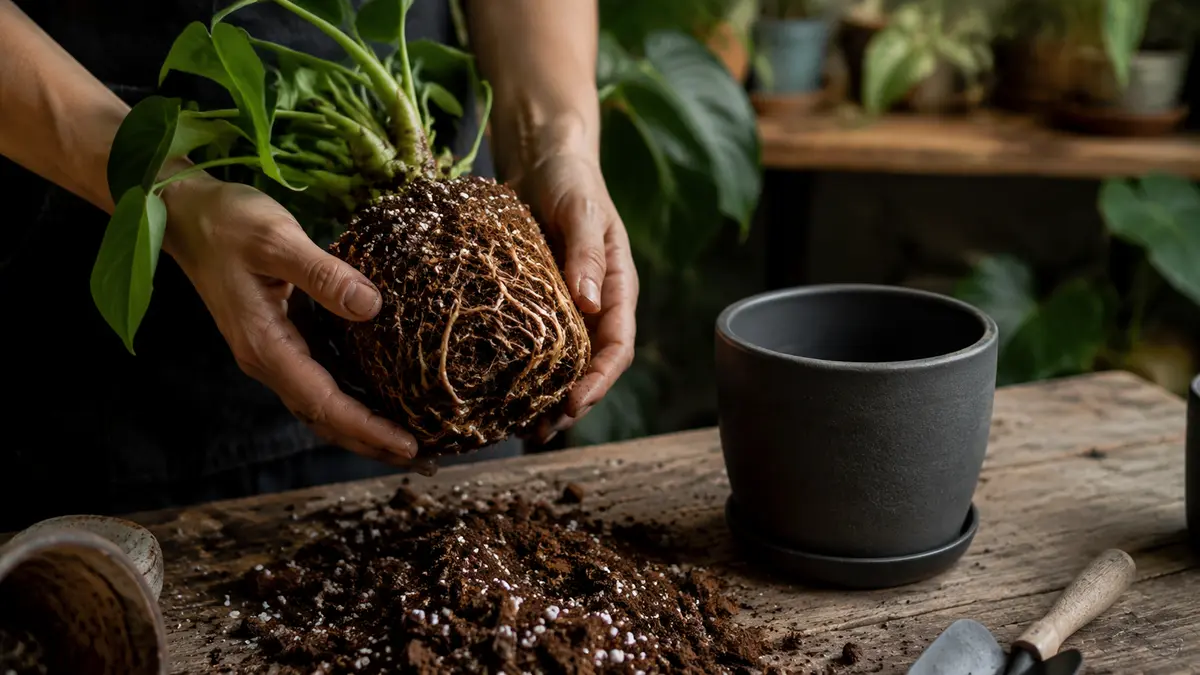
If the pot dries extremely quickly, look for a root-bound plant, a hydrophobic root ball, very high light or heat, a small pot, or a highly aerated mix. Do not jump to a much larger pot without understanding the cause. Large increases in soil volume can create a wet zone that the current roots cannot use efficiently.
Rare Form recommends
Each product page explains why the item was selected, where it fits, where it does not, and what to check before following the affiliate link.

LUCKYRUNES
Two varieties of real live moss for humid terrariums, vivariums, miniature landscapes, and botanical décor.
Why it made the shortlist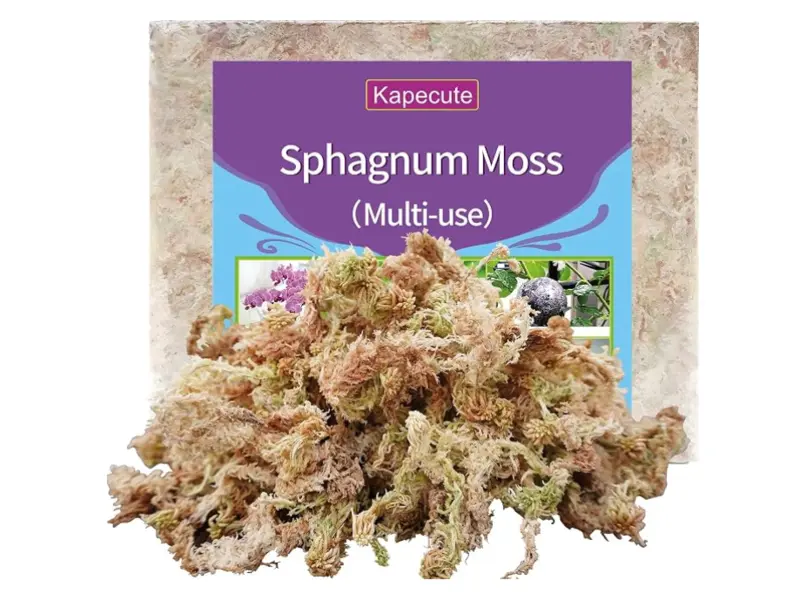
Kapecute
A bulk pack of dried sphagnum moss for filling moss poles, rooting projects, moisture-retentive mixes, and humidity-focused plant setups.
Why it made the shortlist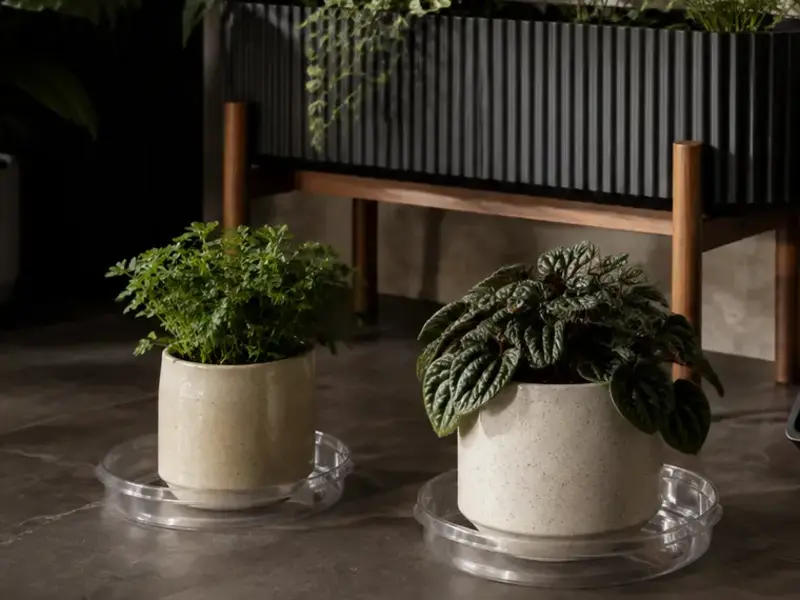
MUDEELA
Simple clear saucers sized for small pots, useful for catching drainage while allowing the planter and surface beneath it to remain visually dominant.
Why it made the shortlistNext steps
Check moisture below the surface, pot weight, and recent conditions.
Use the species’ tolerance and the specimen’s current roots and growth.
Saturate the usable medium slowly and allow excess water to drain.
Notice drying time, leaf posture, growth, and changes after seasonal or placement shifts.
Questions & answers
Once a week can be a useful inspection reminder, but it should not be an automatic watering rule. Check the medium and current conditions before deciding.
Use enough to wet the usable root zone evenly, applied slowly, then allow excess to drain. The exact volume depends on pot size, medium, root mass, and how dry the mix has become.
Bottom watering can help rehydrate some dry media, but it is not automatically superior. It should be followed by drainage, and occasional top watering can help flush accumulated salts when appropriate.
No. Misting leaf surfaces does not reliably water the root system and usually changes humidity only briefly. Water the growing medium according to the plant and pot.
Contact Rare Form
Share the plant, pot, growing medium, light, recent watering pattern, and photographs of the whole plant and problem areas.